


Globenewswire
Add a review FollowOverview
-
Founded Date March 5, 1988
-
Sectors Construction / Facilities
-
Posted Jobs 0
-
Viewed 20

Company Description
Exploring Alternative Financing Programs: A Comprehensive Guide
In today’s fast-paced financial landscape, traditional funding sources such as banks and credit unions are not the only options available for individuals and businesses seeking capital. Alternative financing programs have emerged as viable solutions to meet diverse financial needs. This article delves into the various types of alternative financing, their benefits, and considerations for potential borrowers.
Understanding Alternative Financing
Alternative financing refers to non-traditional funding methods that provide capital outside of conventional bank loans. These programs cater to a wide range of borrowers, including startups, small businesses, and individuals with unique financial situations. Popular forms of alternative financing include peer-to-peer lending, crowdfunding, invoice financing, and merchant cash advances.
Types of Alternative Financing Programs
- Peer-to-Peer Lending: This model connects borrowers directly with individual lenders through online platforms. Borrowers can often secure lower interest rates compared to traditional loans, while lenders can earn higher returns on their investments. Notable platforms include LendingClub and Prosper.
- Crowdfunding: Crowdfunding allows entrepreneurs to raise small amounts of money from a large number of people, typically via online platforms like Kickstarter or Indiegogo. This method is particularly popular for creative projects, startups, and social causes, enabling businesses to gauge market interest before launching their products.
- Invoice Financing: Businesses facing cash flow issues can utilize invoice financing to access funds against their outstanding invoices. This process involves selling unpaid invoices to a third party at a discount, providing immediate cash flow without taking on debt.
- Merchant Cash Advances: This option provides businesses with a lump sum of cash in exchange for a percentage of future credit card sales. While it can be a quick source of funds, it often comes with high fees and interest rates, making it essential for businesses to evaluate their ability to repay.
- Microloans: Typically offered by non-profit organizations or community banks, microloans provide small amounts of capital to startups and small businesses that may not qualify for traditional loans. These loans often come with lower interest rates and more flexible small business lending repayment terms.
Benefits of Alternative Financing
Alternative financing programs present several advantages that make them attractive to borrowers:
- Accessibility: Many alternative financing options are designed for individuals and businesses with limited credit histories or those who may not qualify for traditional loans. This inclusivity allows a broader range of borrowers to access necessary funds.
- Speed: The application and approval processes for alternative financing are often faster than traditional banks, with some online platforms providing funding within days or even hours.
- Flexibility: Alternative financing programs often come with more flexible terms and conditions, allowing borrowers to choose repayment schedules that fit their financial situation.
- Diverse Options: With a variety of alternative financing options available, borrowers can select a solution that best meets their specific needs, whether it’s short-term funding or long-term capital.
Considerations Before Choosing Alternative Financing
While alternative financing programs offer numerous benefits, potential borrowers should also consider the following factors:
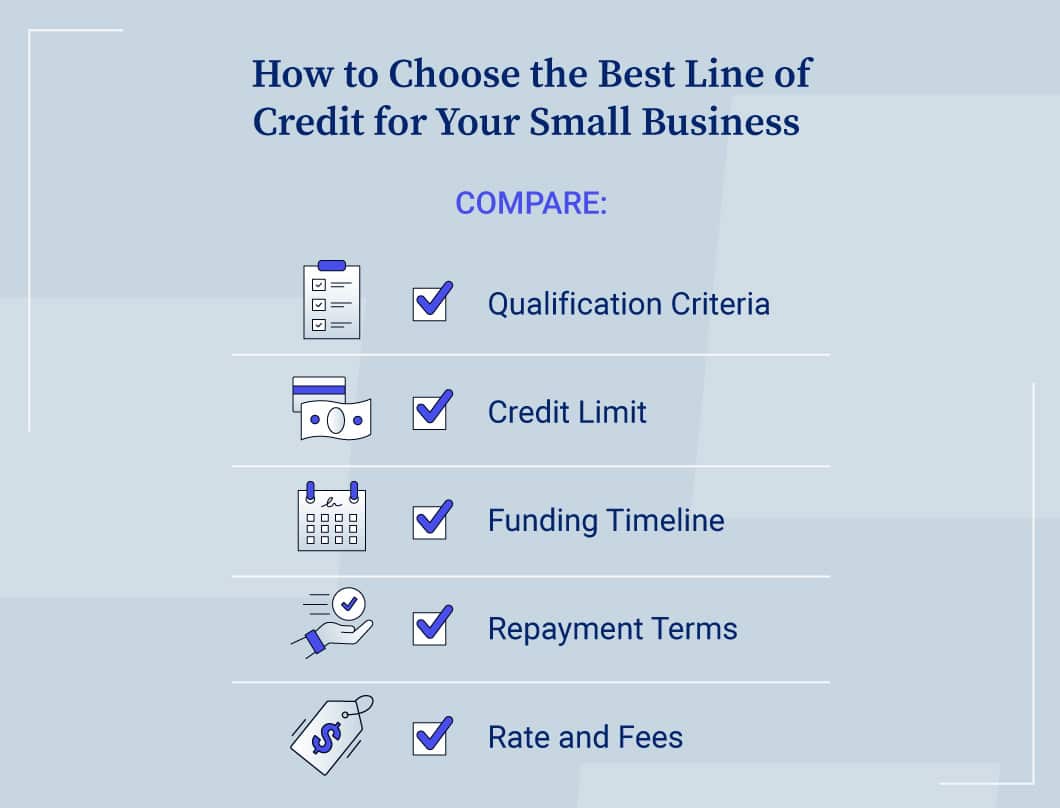
- Cost: Many alternative financing options come with higher interest rates and fees compared to traditional loans. Borrowers should carefully assess the total cost of financing and ensure they can manage repayments without compromising their financial stability.
- Reputation of Lenders: It’s crucial to research the reputation of the lending platforms or institutions. Look for reviews, ratings, and testimonials to ensure you’re working with reputable lenders.
- Business Plan and Financial Projections: For businesses seeking alternative financing, having a solid business plan and financial projections can improve the chances of securing funding. Lenders often want to see how the funds will be used and the expected return on investment.
- Regulatory Compliance: Different alternative financing options may have specific legal and regulatory requirements. Borrowers should familiarize themselves with these regulations to avoid potential pitfalls.
Conclusion
Alternative financing programs have revolutionized the way individuals and businesses access capital. By understanding the various types of financing available and weighing the benefits against potential drawbacks, borrowers can make informed decisions that align with their financial goals. Whether you’re a startup looking for seed funding or an established business facing cash flow challenges, exploring alternative financing options may provide the solution you need to thrive in today’s competitive market. As the financial landscape continues to evolve, staying informed about these alternatives will empower borrowers to navigate their financing needs effectively.
