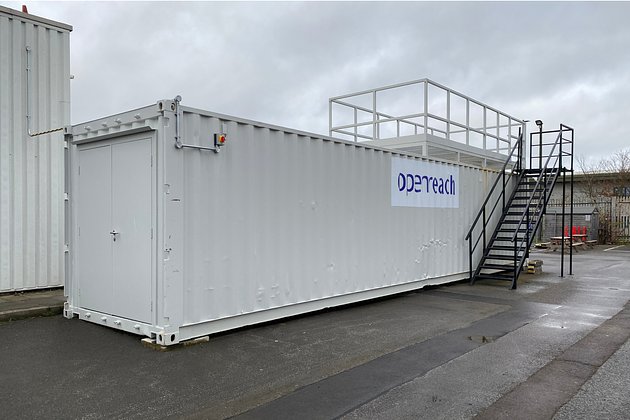


45ft Container
Add a review FollowOverview
-
Founded Date December 25, 1991
-
Sectors Construction / Facilities
-
Posted Jobs 0
-
Viewed 6

Company Description
Guide To What Is The Largest Shipping Container Size: The Intermediate Guide In What Is The Largest Shipping Container Size
What Is The Largest Shipping Container Size?
Shipping containers have changed international trade by offering a standardized method for transporting products throughout the world. The size and kind of shipping container can vary significantly, however one question sparks interest among many in the logistics and shipping market: What is the largest shipping container size? This post will check out the different sizes of shipping containers, concentrating on the largest types available, their specifications, and their significance in worldwide commerce.
Summary of Shipping Container Sizes
Shipping containers been available in numerous dimensions, many typically adhering to standardized measurements set by the International Organization for Standardization (ISO). The main sizes include:
- 20-foot Containers: Typically used for smaller loads, determining around 20 feet in length.
- 40-foot Containers: The most popular size for commercial shipping, measuring 40 feet in length.
- 45-foot Containers: This size offers extra area while still keeping compatibility with the majority of shipping devices.
- 48 and 53-foot Containers: Less common in international shipping, these are mainly used in domestic transport, particularly in North America.
However, for companies aiming to carry bigger loads, high-cube containers and specific types play an essential function.
Standard Shipping Container Dimensions
Below is an easy table comparing the dimensions of standard shipping containers.
| Container Type | Length (ft) | Width (ft) | Height (ft) | Internal Volume (cu ft) |
|---|---|---|---|---|
| Standard 20 ft | 20 | 8 | 8.5 | 1,169 |
| Requirement 40 ft | 40 | 8 | 8.5 | 2,390 |
| High-Cube 40 ft | 40 | 8 | 9.5 | 2,694 |
| 45 Ft Shipping Container-ft HC | 45 | 8 | 9.5 | 3,040 |
| 48-ft HC | 48 | 8 | 9.5 | 3,500 |
| 53-ft HC | 53 | 8.5 | 9.5 | 3,800 |
What Is the Largest Shipping Container?
Comprehending the “largest” shipping container needs a consideration of both length and volume. The 2 primary prospects for the largest shipping containers are:
- 53-foot High-Cube Container: Typically used in North America, this container uses more cubic feet of cargo area.
- Specialized Containers: Certain adjustments also exist, such as flat-rack containers or open-top containers, that can be tailored for oversized items.
53-Foot High-Cube Container Specifications
Dimensions:
- Length: 53 ft (16.15 m)
- Width: 8.5 ft (2.59 m)
- Height: 9.5 ft (2.89 m)
Capacity:
- Maximum Payload: Approximately 45 Foot Containers,000 pounds (20,400 kg)
- Internal Volume: 3,800 cubic feet (107.6 cubic meters)
Specialized Oversized Containers
In niche markets, large systems can be made to fit particular high-volume 45ft Cargo Worthy Container however are less typical and carry modifications such as:
- Flat-Rack Containers: Perfect for heavy machinery or irregularly shaped goods.
- open-top Containers: Allow loading from the top, making them terrific for high products.
| Container Type | Requirement Length (ft) | Maximum Load (lbs) | Purpose |
|---|---|---|---|
| 53-ft High Cube | 53 | 45,000 | General cargo, domestic transport |
| Flat-Rack Container | Differed | Varies | Heavy equipment, boats, large commercial devices |
| Open-Top Container | Differed | Differs | Tall or heavy cargo requiring leading packing |
The Role of the Largest Shipping Container
The largest shipping containers, especially the 53-foot high-cube type, have actually considerably enhanced the shipping procedure:
- Economies of Scale: By allowing companies to carry more items in a single journey, shipping expenses per item are decreased.
- Boosted Flexibility: These containers can house a large range of items, from textiles to equipment, consequently serving multi-purpose functions in logistics.
- Performance in Transportation: Maximizing container size minimizes voids, improving fuel effectiveness and logistics management.
Frequently Asked Questions (FAQs)
1. What are the basic dimensions of a shipping container?
The basic dimensions for shipping containers are normally 20 feet and 40 feet in length, with an internal height of around 8.5 feet.
2. Are 53-foot containers common internationally?
While 53-foot containers are commonly used in North America, they are not as widespread in worldwide shipping due to constraints on cargo radiuses and regulative standards.
3. What is the maximum weight a shipping container can hold?
The maximum weight capacity can vary, but many standard containers have a payload capacity of around 30,000 lbs to 45,000 lbs depending upon the container type and size.
4. Can extra-large cargo be shipped in standard containers?
Yes, large cargo can typically be accommodated using specialized containers such as flat-rack or open-top variations developed to house larger items.
5. How does container size impact shipping expense?
Bigger containers, when completely used, can decrease shipping expenses per system due to economies of scale, but under-utilizing a large container can result in higher costs.
In the shipping world, container sizes play a necessary function in enhancing international trade and logistics. The largest basic shipping container size is the 53-foot high-cube container, using both length and volume advantages that significantly enhance shipping effectiveness. Whether through specialized containers designed for extra-large loads or basic size alternatives, comprehending the different containers and their capabilities enables organizations to make informed choices in the shipping process. Logistics experts can bridge range and channels, guaranteeing that items reach their destinations successfully and effectively.